Preset missions
Program routes and waypoints for repeatable monitoring.

WASP Technologies combines an autonomous surface vessel, modular sensing, cellular data transfer and web-based visualization to collect water data across preset missions and predetermined waypoints.
Conventional workflows can depend on personnel collecting a limited sample, transporting it to a laboratory and waiting for results. That creates time, cost and coverage limitations when operators need a clearer picture of changing water conditions.
Travel to site, collect from a limited location, transport the sample, then wait for lab results.
Run repeatable missions, gather sensor readings at multiple waypoints and transmit data to a web-based viewer.
The WASP platform is designed around repeatable autonomous missions, configurable sensing and remote visibility.
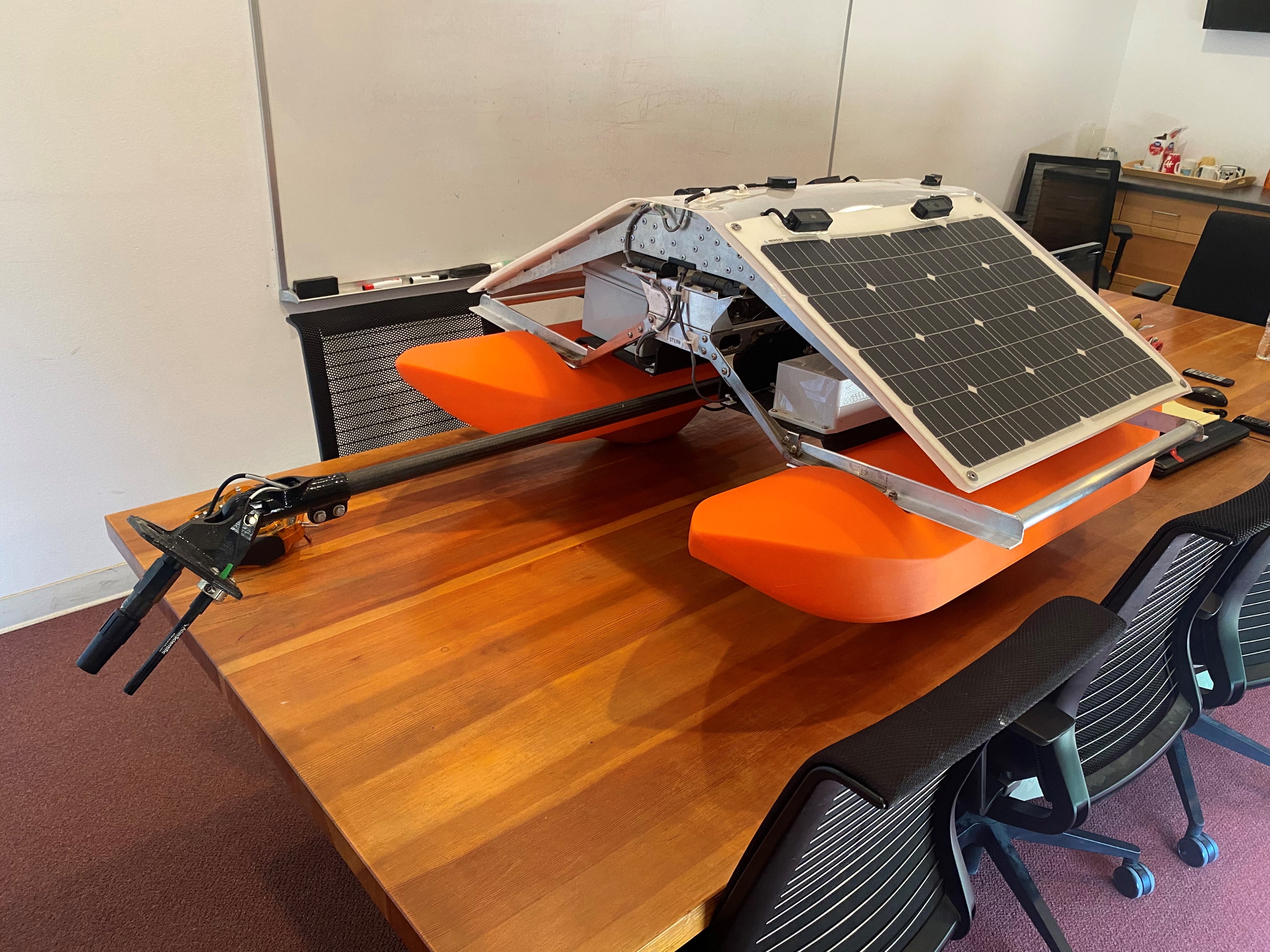
Program routes and waypoints for repeatable monitoring.
Define operating boundaries and mission behavior.
Collect measurements at predetermined locations using a modular sensor architecture.
Transmit readings through cellular connectivity and an MQTT broker to the web platform.
*Sensor availability and configuration depend on application, validation and system integration requirements.
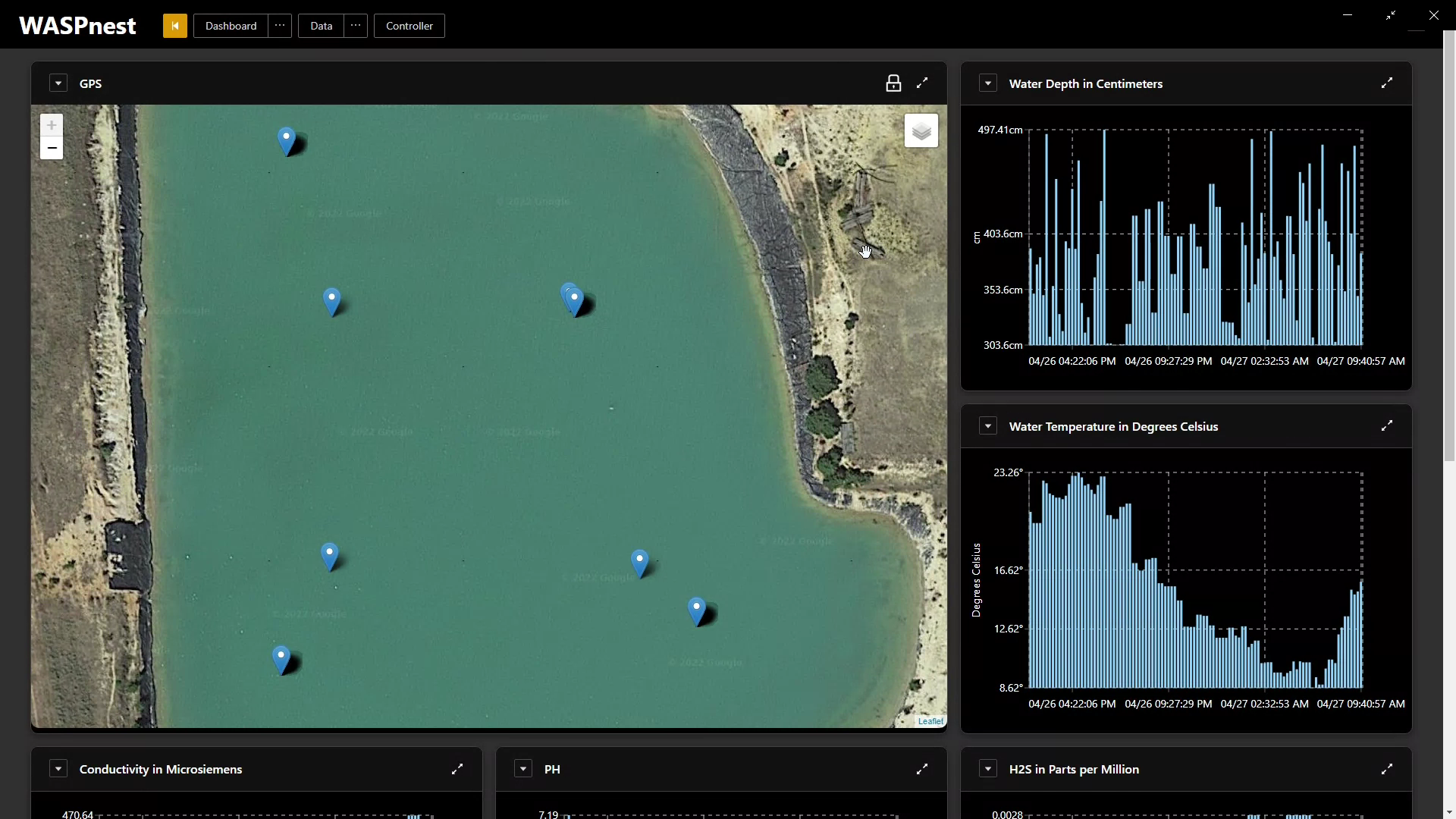
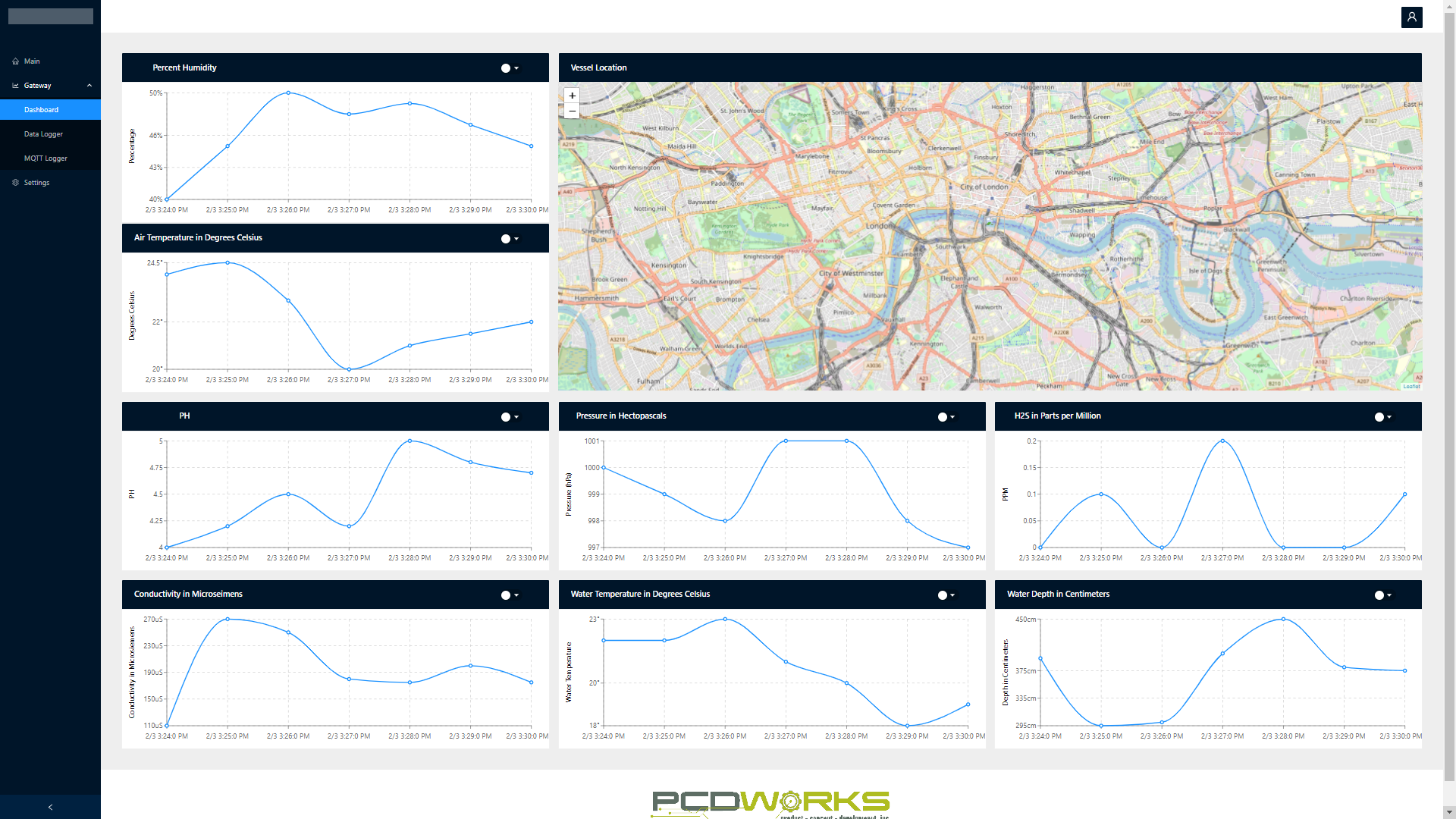
WASP Nest serves as a repository and visualization layer for collected sensor data. The platform is designed to be viewed remotely anywhere an internet connection is available, with support for mapping and multiple display formats.
Support monitoring across reservoirs, treatment, distribution, wastewater collection and water reuse workflows.
Increase the frequency and geographic coverage of water monitoring for ponds, pits and other water assets.
Bring autonomous monitoring capability to operations that use and manage substantial volumes of water.
Potential applications across environmental, waterway and infrastructure monitoring programs.
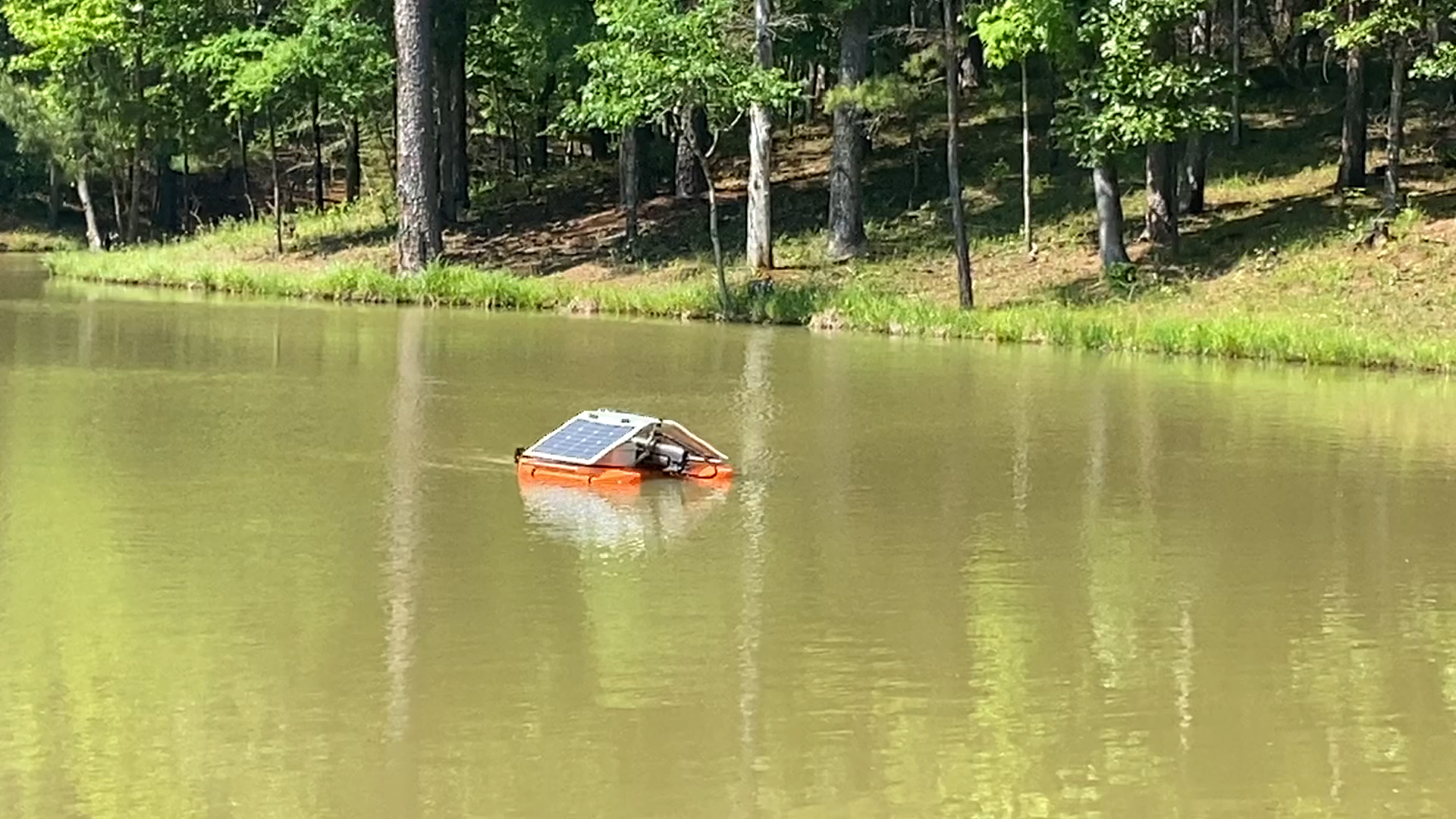
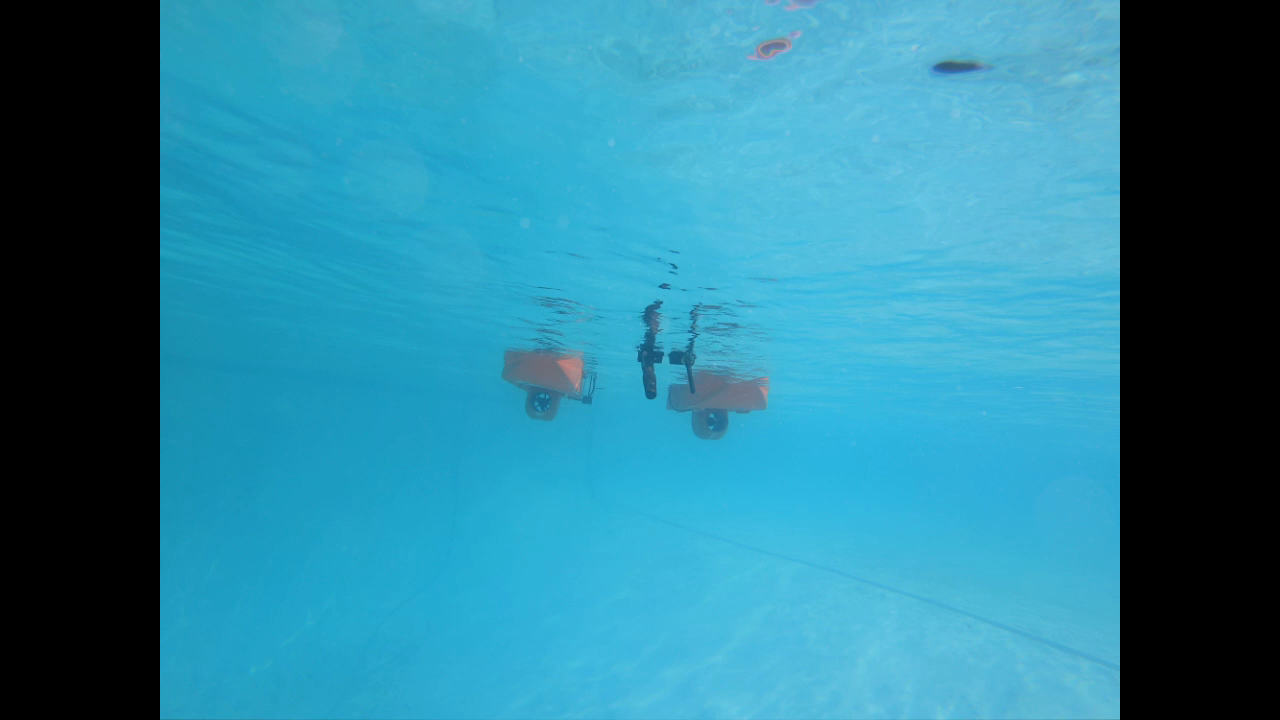
Field work described in the company deck includes basin mission testing, geofence and waypoint operation, scheduled data reporting, pool testing and underwater observation of sensor deployment.
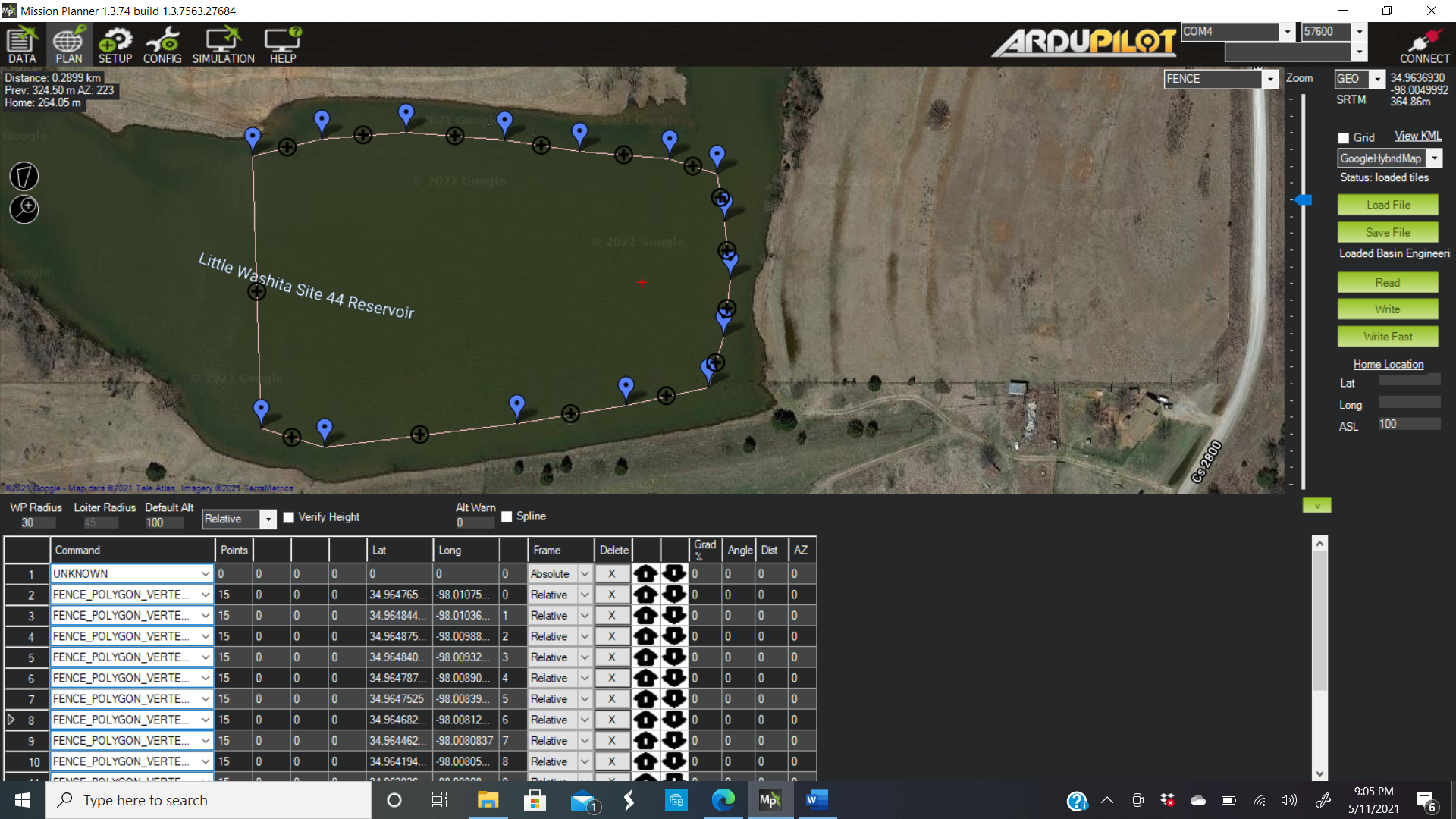
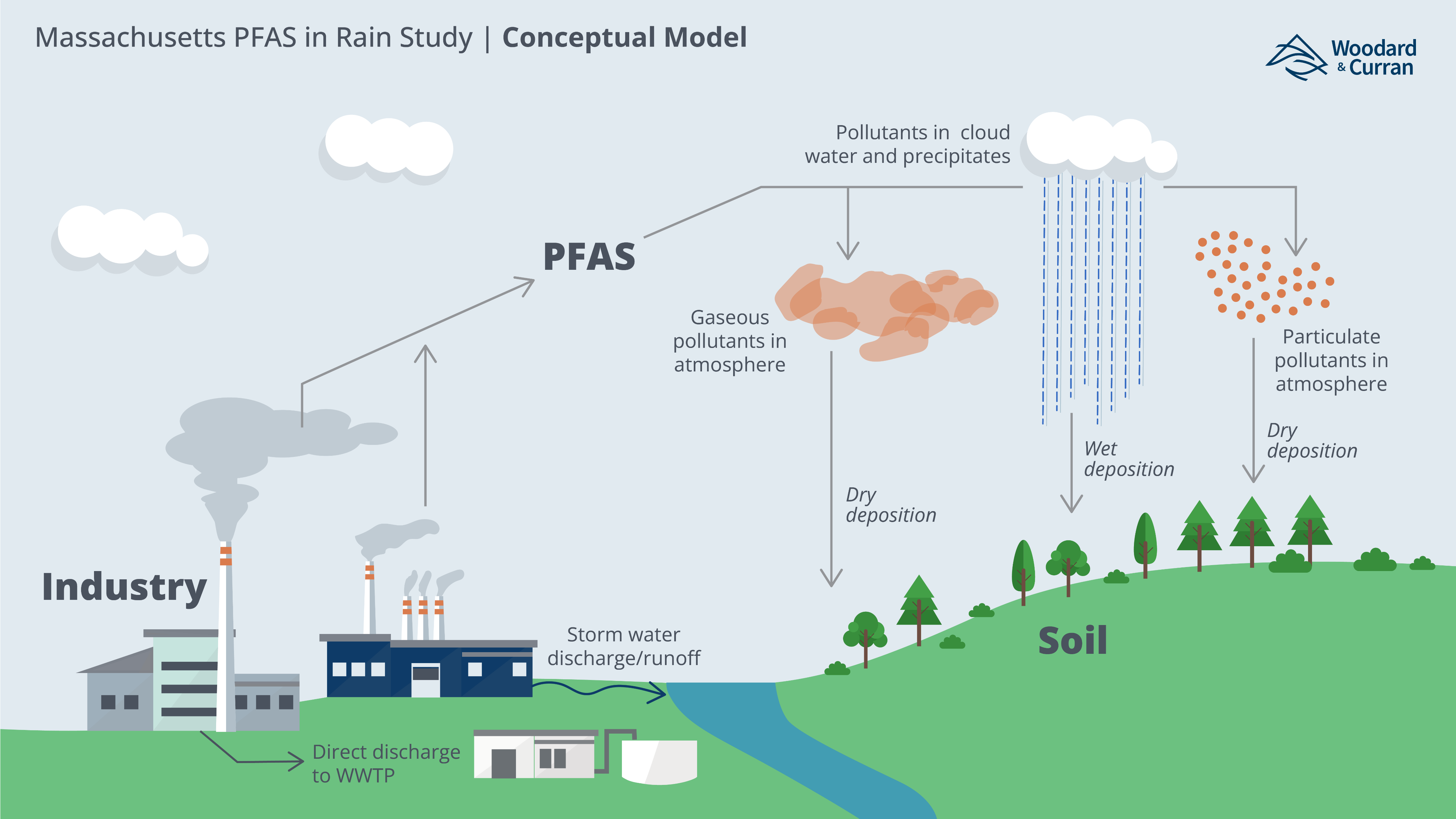
WASP Technologies is evaluating additional electrochemical microsensor research, including ppb-level ionic detection concepts and their potential relevance to PFAS monitoring.
PFAS detection is presented as ongoing research, not as a currently commercialized or validated WASP sensor capability.
WASP Technologies was established to develop and commercialize technology in water sensor data and management. The company brings together experience in engineering, business development, emerging technologies, sales and commercial development, with a focus on scalable applications across municipal, industrial, energy and government markets.
Talk with WASP Technologies about municipal, industrial, energy or strategic development opportunities.